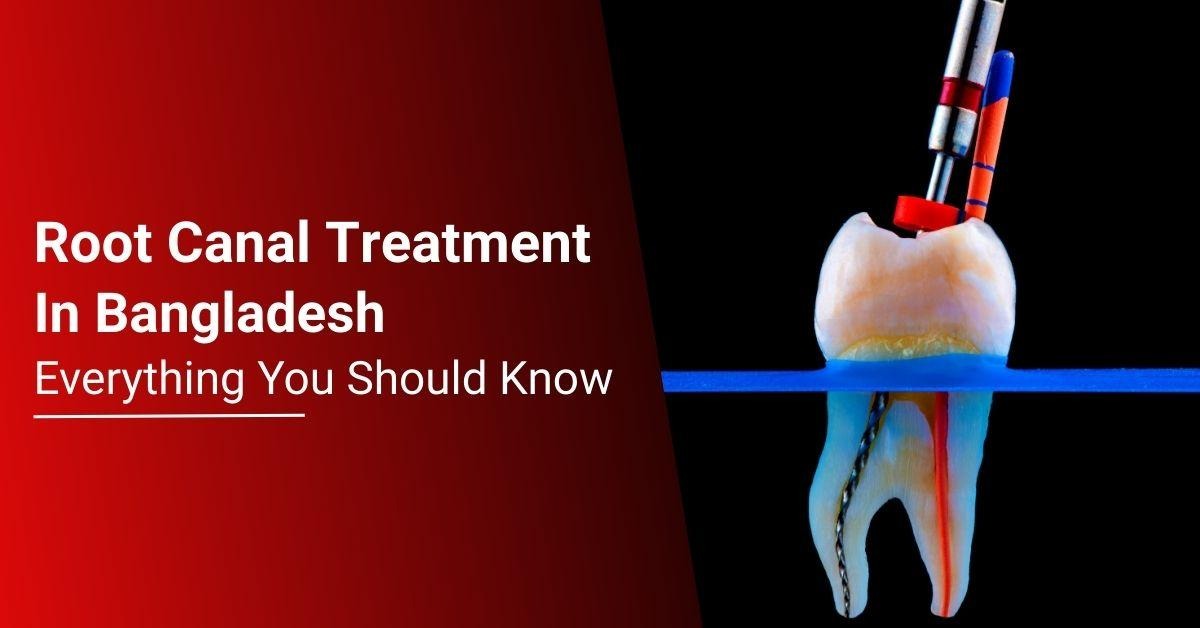
You’ve heard about root canal treatments in Bangladesh or maybe you were recommended to get one. But it is understandable for you to wonder, “What is root canal treatment?”
Root canal treatment (RCT) involves removing the infected tooth structures and soft tissues in a tooth with a cavity. This resolves tooth pain, and stops further spread of the tooth infection.
Root canal treatment involves a number of complex procedures. And its quality varies from clinic to clinic as well as the price of root canal treatment. Here, we delve deep into everything you should know about root canal procedures in Bangladesh to prepare you for your treatment.
Table Of Content
- What Is A Root Canal Treatment?
- When Is a Root Canal Treatment Done In Bangladesh?
- Root Canal Treatment Steps – How It’s Done!
- Is Root Canal Treatment Painful?
- Root Canal Treatment Side Effects
- Pain After Root Canal Treatment – What To Do?
- How Much Root Canal Treatment Cost In Bangladesh?
- How Long Will A Root Canal Treatment Last?
- Conclusion
What Is A Root Canal Treatment?
During a root canal treatment, we primarily remove any infection that you might have on your tooth. We carefully remove the nerves and vessels inside your tooth to prevent further spread of bacteria and alleviate pain.
During the root canal of teeth, we also disinfect the insides of your tooth with various types of medicines such as Sodium Hypochlorite (NaOCl), Chlorhexidine (CHX), Calcium Hydroxide, etc.
After properly cleaning the insides of your tooth, we finally block all openings going into your root canal treated teeth. For this we use, sealers, gutta-percha, and dental fillings.
Check out this root canal treatment video to understand how it is done.
When Is a Root Canal Treatment Done In Bangladesh?
If you have a deep dental cavity (Caries) that extends up to the nerves of the tooth or very close to it, a root canal procedure might be necessary.
Root canal treatment is a last resort option. We dentists almost always try to avoid it. We always try to do dental fillings in Bangladesh as it ensures the protection of your dental biology.
But, when you delay your treatment and the infection spreads too deep, a root canal treatment is our only option to alleviate pain and restore function of the tooth. At this point, our objective is to prevent further spread of infection that might result in completely removing the tooth.
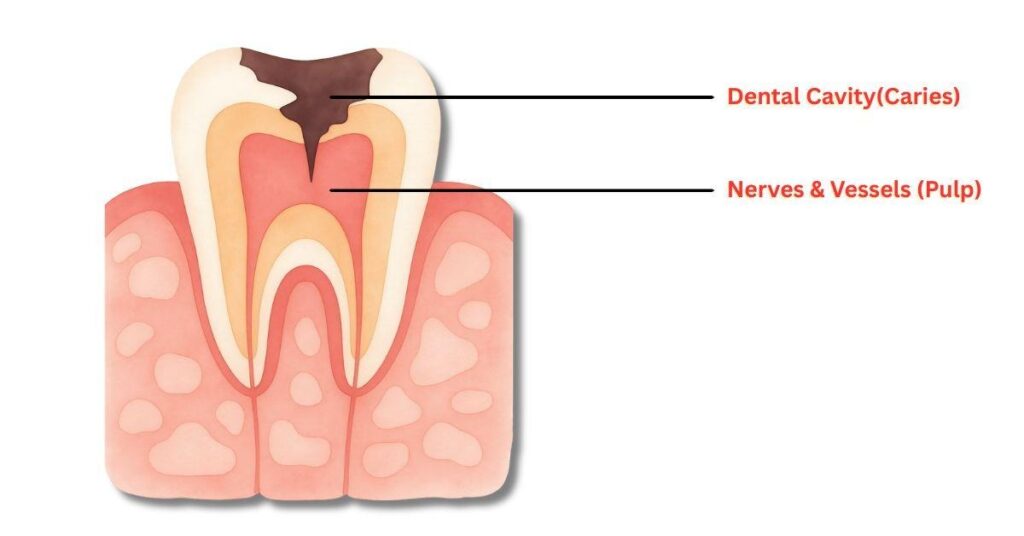
So, if your dentist recommends root canal treatment in Bangladesh, always understand that it was recommended because there are no other options.
Root Canal Treatment Steps – How It’s Done!
Root canal treatment in Dhaka is a complex micro-surgical procedure. Here’s a simplified step by step explanation of root canal treatment to help you understand how it all works:
Step 1: Numbing The Tooth
The first thing your dentist will do is apply a numbing injection. This will put your nerves to sleep and make the root canal treatment procedure completely painless.
Some might have a fear of needles. But there is nothing to worry about. We at Lumika Dental use super thin needles and minimal pain local anesthetic techniques. So, you will barely feel it or not feel it at all.
Step 2: Removing The Infection
After your tooth becomes fully numb, we start by removing the infected tooth tissues and gaining access to the core (Pulp Chamber) of your tooth. For this we use an extremely sharp diamond bur.
At this stage, you would be completely numb. So, the process would be completely painless. At most you will feel some sensitivity.
Step 3: Cleaning The Root Canals
Each of your teeth has 1 to 5 or even higher number of tiny canals inside each of their roots. All of these canals must be cleaned and shaped extremely well using instruments we call “Dental Files”.
Often infection travels from the crown portion of your tooth and hides in these tiny canal spaces. So, cleaning them with meticulous precision is of utmost importance.
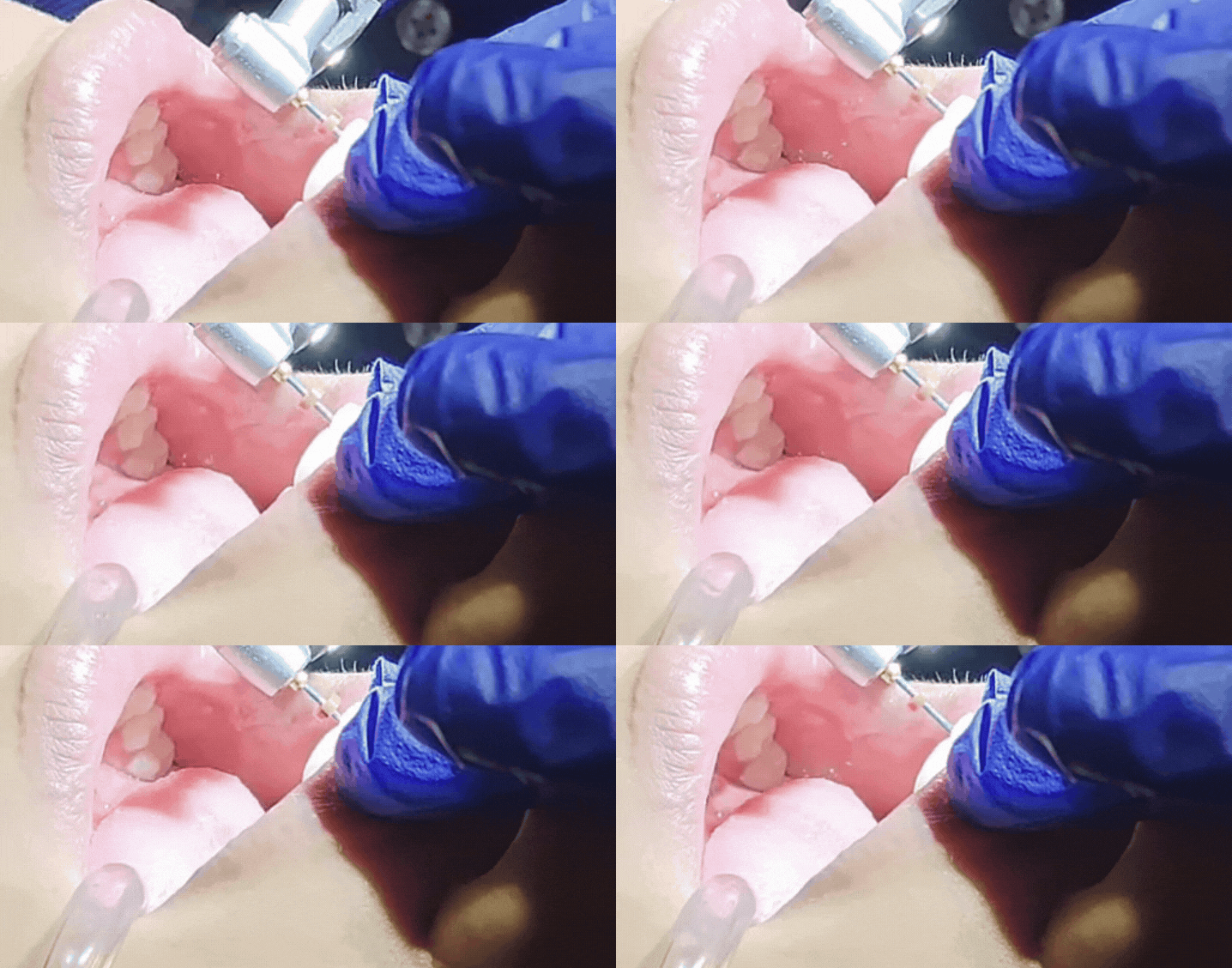
Flushing Out Debris & Disinfection
In between cleaning the roots, we will often flush the tooth canals with Normal Saline and Sodium Hypochlorite. This removes the chipped of tooth material during cleaning and also kills bacteria that might be living inside the canals.
Step 4: Sealing The Canals
After cleaning the roots, they become hollow. So, now our goal is to fill to prevent bacteria from entering the roots of the tooth. For this we use a plastic-like material called “Gutta Percha” and a sealer.
Most commonly in Bangladesh clinics use 3rd generation calcium-based sealers. And we do too for patients on a budget. But at Lumika Dental Mirpur, we also offer a 6th generation sealer called Bioceramic for a slightly higher price.
Step 5: Filling The Crown
In step 2, we made a hole of your tooth while removing the infection and gaining access to your roots.
So, on our last step, we have to close that off as well. At this last stage of your root canal treatment in Bangladesh, we use a composite filling material (Locally known as Laser Filling) to fill the crown.
And You’re Done!
Your root canal treatment is finally over. You might feel some tingling sensation today. But that should go away within a week. But, do remember, your root canal treated tooth can easily break on pressure.
So, for long term success, we recommend you get a Dental Crown on the treated tooth as soon as possible.
Is Root Canal Treatment Painful?
Root canal treatment is not much painful at all. We use powerful local anesthetics to make sure your tooth is fully numb before starting the procedure. But, expect mild to low discomfort.
Do consider that root canal treatment in Bangladesh is just like any other surgical procedure. So, you should expect some discomfort during and immediately after the procedure. It will subside in a week or so.
Of course, you will be given some medications to manage the mild to moderate discomfort that might arise.
Delaying Dental Treatment = More Pain
In some extremely infected teeth, local anesthesia might not work at its full strength. The acidic infection can nullify the action of the Local Anesthesia.
This happens when you delay your dental treatment and the infection spreads too much. So, for a painless root canal treatment in Bangladesh, be sure to visit your dentist as soon as possible.
In our article, “Is Root Canal Painful” we discuss causes of pain during root canal treatment in Bangladesh and how to overcome them.
Root Canal Treatment Side Effects
Short term side effects of root canal treatment include, mild soreness, swelling and sensitivity. In the long term, the tooth becomes brittle and less tolerant to pressure.
Let’s discuss about these side effect in a bit more detail so you can understand them better:
Mild Soreness
As we’ve already discussed, root canal treatment is just like any other surgical procedure. And just like any surgical procedure, you can expect some soreness for about a week. Of course, we will prescribe you with medication to manage that soreness as much as possible.
Sensitivity
Some patients experience sensitivity to hot and cold foods for a while during and after root canal treatment. But, just like the root canal treatment soreness, the sensitivity also goes away in a week.
Swelling
While very uncommon, swelling can occur during a root canal treatment for extra sensitive patients. The gums around the tooth might become inflamed causing mild discomfort.
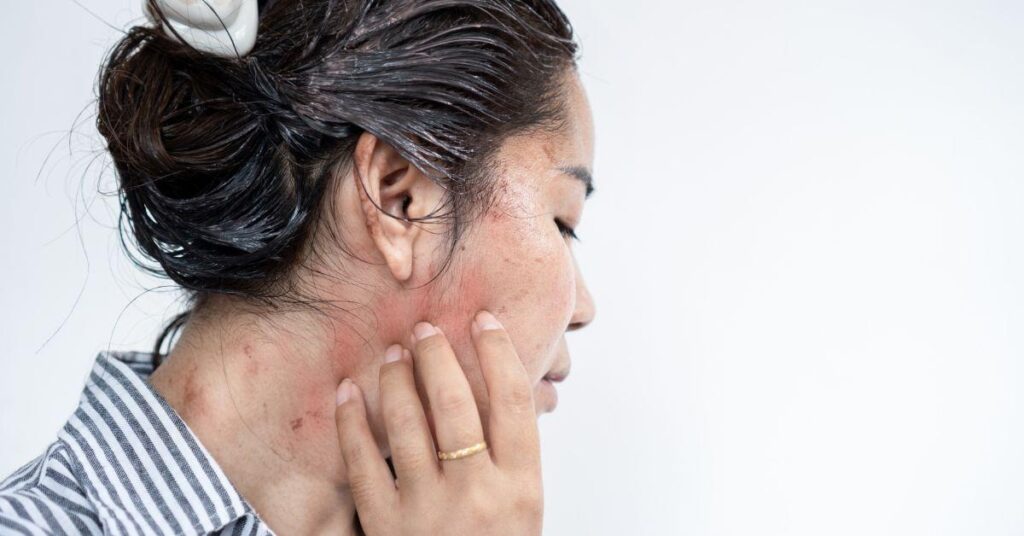
Allergic Reaction (Rare Case)
In very rare instances, you might have an allergic reaction to local anesthesia. In such case, you can expect itchy rashes, breathing difficulty, fever, etc. But, if you have a history of being hyper allergic (High IgE levels) or have asthma, make sure to mention that to your dentist.
Fracture Of Tooth
When doing a root canal treatment, we remove the blood supply of the tooth and some of the tooth structure as well. This causes the tooth to become weak and prone to fracture. That is why if you don’t do a dental crown soon, the tooth might fracture.
Wondering how much dental crowns cost in Bangladesh? Read our detailed guide on dental crown price in Bangladesh.
Re-Infection Of Tooth
A root canal treated tooth can become infected again if you don’t take care of it. And sometimes due to the difference of anatomy from one tooth to another, a canal might get missed. Those have a chance of being infected again as well.
Pain After Root Canal Treatment – What To Do?
Ice packs, warm salt water rinse, and over the counter pain medications like paracetamol can help manage soreness after a root canal procedure. If these don’t work, visit your dentist for a stronger pain medication prescription like Etoricoxib or Ketorolac.
Let’s explain these methods in a bit more detail:
Ice Packs
Take a few pieces of ice cubes and wrap them in a towel or any piece of cloth to make an ice pack. Press it against your cheek around the area of the root canal treated tooth. Hold it for 10 minutes then place the ice pack back in the fridge. Wait for 20 minutes and then apply again.
Warm Salt Water Rinse
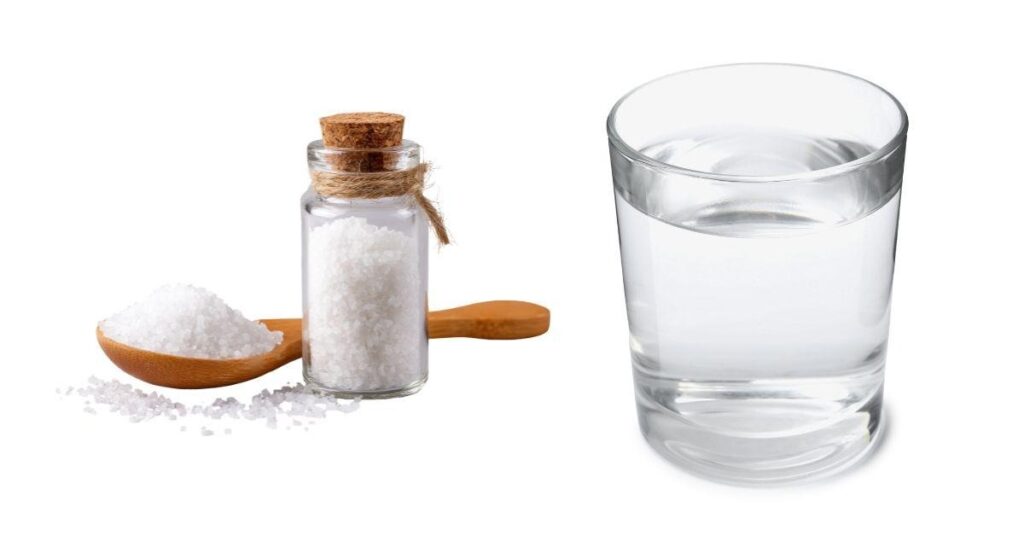
Add salt to a glass of warm water. Now rinse thoroughly. Swish the salt water around the root canal treated tooth as much as possible. This should alleviate some of the inflammation caused by the root canal treatment.
Over The Counter Medications
Paracetamol is generally a safe over the counter medication that can be purchased from any pharmacy. Napa is the most commonly known paracetamol brand for managing pain after root canal treatment in Bangladesh.
N-Max is another very effective over the counter pain medication. It is a combination of Paracetamol and Ibuprofen which is very effective in managing soreness after root canal treatment in Bangladesh.
Take these 3 times daily (Every 8 hours). Do not take these medications more than 3 to 5 days without consulting your dentist first.
Prescription Pain Medications (Do Not Self-Medicate)
If you are one of the very few who experience excessive pain after root canal treatment, you might need stronger prescription pain medications like Etoricoxib or ketorolac. But, never take them without consulting with your dentist first.
These medications can cause severe side effects. So, we urge you to never take these drugs before discussing with your dental surgeon.
Visit Your Dentist
Sometimes medications or home remedies cannot reduce pain after root canal treatment in Bangladesh. Talk to your dentist, is such a scenario.
For example, your dentist might have accidentally put a little too much filling after root canal treatment. This can cause pain even if the filling is just 0.5mm too high. Dentists are also normal human beings and they can make such marginal mistakes sometimes.
So, if you consult with your dentist, they can identify the exact cause of the pain and do the necessary adjustments to eliminate the pain.
How Much Root Canal Treatment Cost In Bangladesh?
The average price of root canal treatment in Bangladesh is 4,000 taka. But depending on the quality of the root canal treatment, the price can be 6,000 to 10,000 or even more.

At Lumika Dental we provide 3 variants of root canal treatment in Bangladesh. Regular root canal treatment 4,000 taka. Bioceramic root canal treatment 6,000 taka. And European standard root canal treatment 10,000 taka. Some clinics may charge even more.
Price of root canal treatment in Bangladesh depends on various factors. Such as – quality of the treatment, location of the clinic, popularity of dentist, etc.
If you want to learn about root canal treatment pricing in Dhaka, Bangladesh – read our article “Root Canal Treatment Cost In Dhaka”.
Note: Never look for the cheapest option when you need to get a root canal treatment. There are many quacks (Fake Doctors) in Bangladesh that provide harmful root canal treatment for very low prices. Always take treatment from a BM&DC certified dentist.
How Long Will A Root Canal Treatment Last?
A well-done root canal treatment in Bangladesh can last you decades. Even a regular quality root canal treatment can last 5 to 10 years. It all depends on the quality of treatment you are willing to pay for.
There is no such thing as a guarantee when it comes to root canal treatment or any other surgical procedure. Each person is different. So, how well their body will react to a root canal treatment will be different as well.
Most well-performed root canal treatments last decades, though outcomes vary by individual. If you receive the best treatment you are offered, you are healthy, and take good care of your teeth, there is no reason for your root canal treatment to fail besides sheer bad luck.
For example, we at Lumika Dental offer root canal treatments of 3 price points. Basic root canal treatment that will last 5-10 years at least, Bioceramic root canal treatment that should last 10 to 20 years and European Standard root canal treatment that should last you much longer. But, then again, there is never a 100% guarantee.
Is A Dental Crown Necessary After Root Canal Treatment In Bangladesh?
Dental crowns are absolutely necessary after root canal treatment to prevent fracture and increase the longevity of the treated tooth. This is due to the weakening of teeth after a root canal treatment.
When a root canal treatment is done, we remove a lot of the natural tooth material for removing infection and gaining access to the roots. We also remove the blood and nerve supply to the tooth.
This greatly weakens the tooth and makes it prone to breakage. A dental crown in Bangladesh provides strength to your root canal treated teeth and prevents fractures.
Studies such as “A systematic review of single crowns on endodontically treated teeth” by A F Stavropoulou & P T Koidis show that placing a crown on a root canal treated tooth can greatly increase the longevity of root canal treated tooth.
If you’re wondering how much a dental crown costs in Bangldesh, read our article on “Teeth Cap Price In Bangladesh.“
Conclusion
Root canal treatment in Bangladesh has come a long way. Advanced root canal treatments are much more affordable and widely available if you know where to look. By now, you should have a clear idea of what a root canal treatment is and how important it is to get quality root canal treatment in Bangladesh.
If you want to learn more about root canal treatments, feel free to book a consultation at Lumika Dental. Our BM&DC certified dentists are always happy to help.
Disclaimer: This article is for informational purposes only and should not be considered medical advice. Always consult a licensed dentist or healthcare professional for diagnosis and treatment options suitable for your specific condition.